
Seeing ourselves reflected in the media and literature is a fundamental human need. Especially for those questioning their identity. This visibility can be a lifeline. It answers the silent question, ‘Am I alone?’
Have you ever felt deep down that you’re somehow different from those around you but couldn’t pinpoint why? For me, naming that difference was easy because I already understood the Queer community. However, for many, understanding their own identities is far more complex. This is why representation matters so much, especially for individuals in areas where openly discussing these identities can be risky or even dangerous.
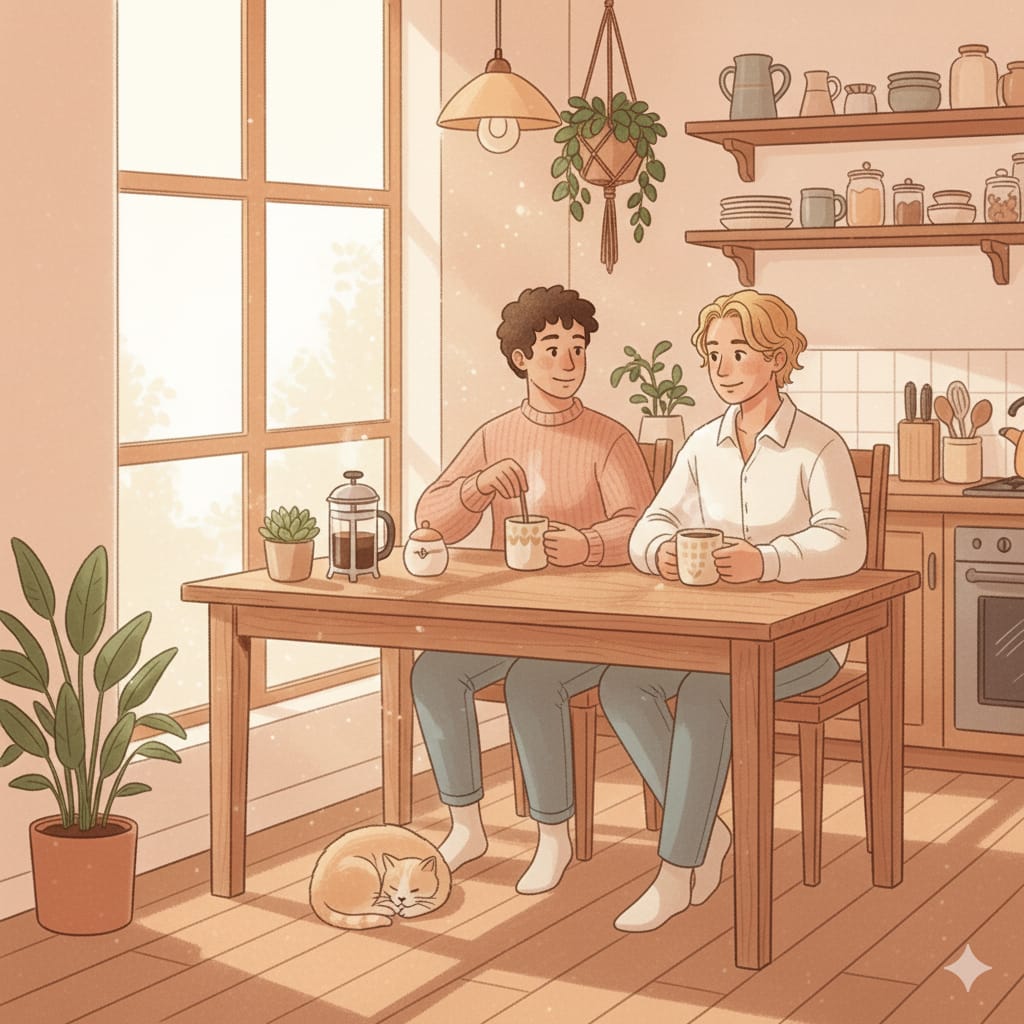
But does more representation always solve the problem? The fight for visibility sometimes creates narrow, repetitive stereotypes. Audiences recognise these characters all too well—the queer-baiting best friend, the unrequited love interest, the projecting bully. When the media saturates our stories with these archetypes, people begin to believe that this is all we are, which couldn’t be further from the truth; we are so much more than what the media currently portrays.
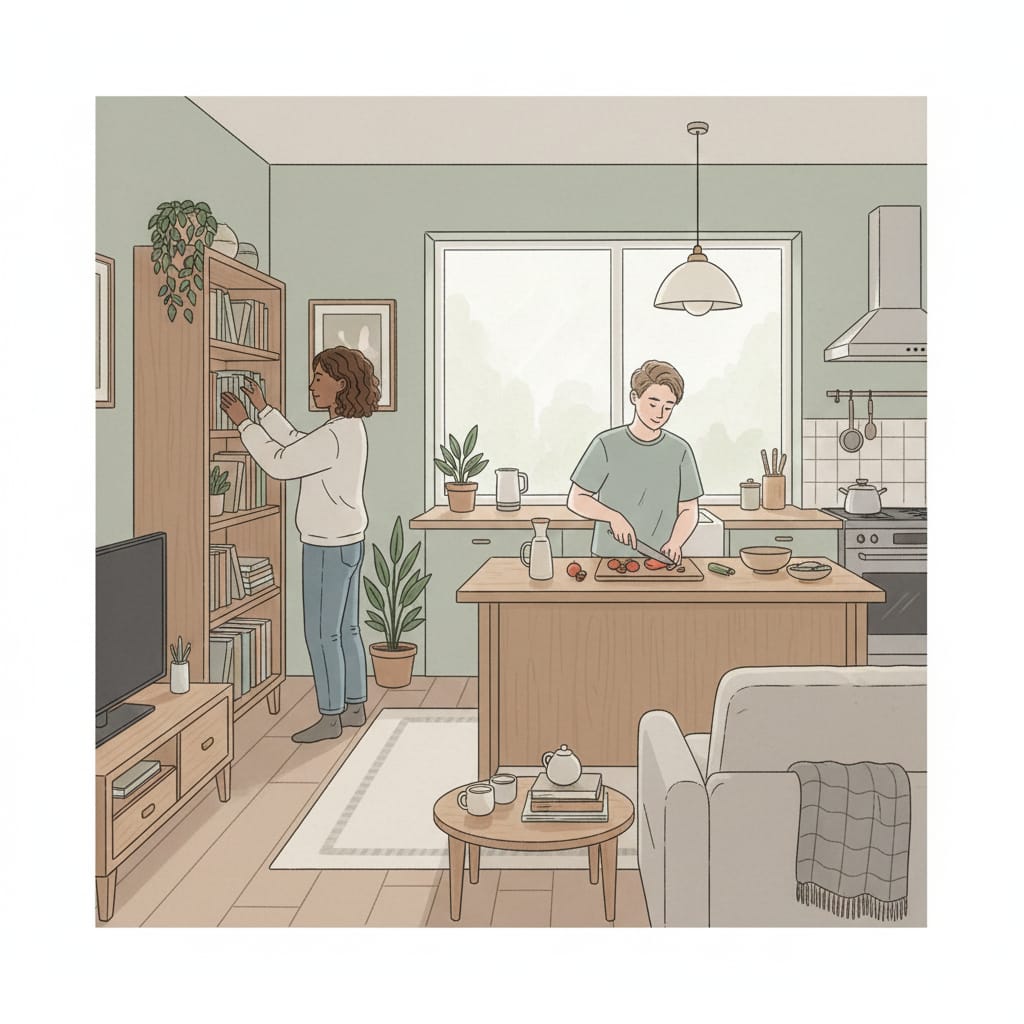
What we need from the media is the normalcy, or rather a mundane lifestyle representation of our community like, characters who happen to be queer while dealing with universal human experiences. Instead of another story where a character’s queerness is only explored through suffering, imagine a romantic comedy where two women argue about whose turn it is to take out the trash. This mundanity is revolutionary. It normalises queer existence in a way that grand coming-out narratives never could. It says: we’re here, we’re ordinary, and that’s exactly the point. Nothing more, nothing less.
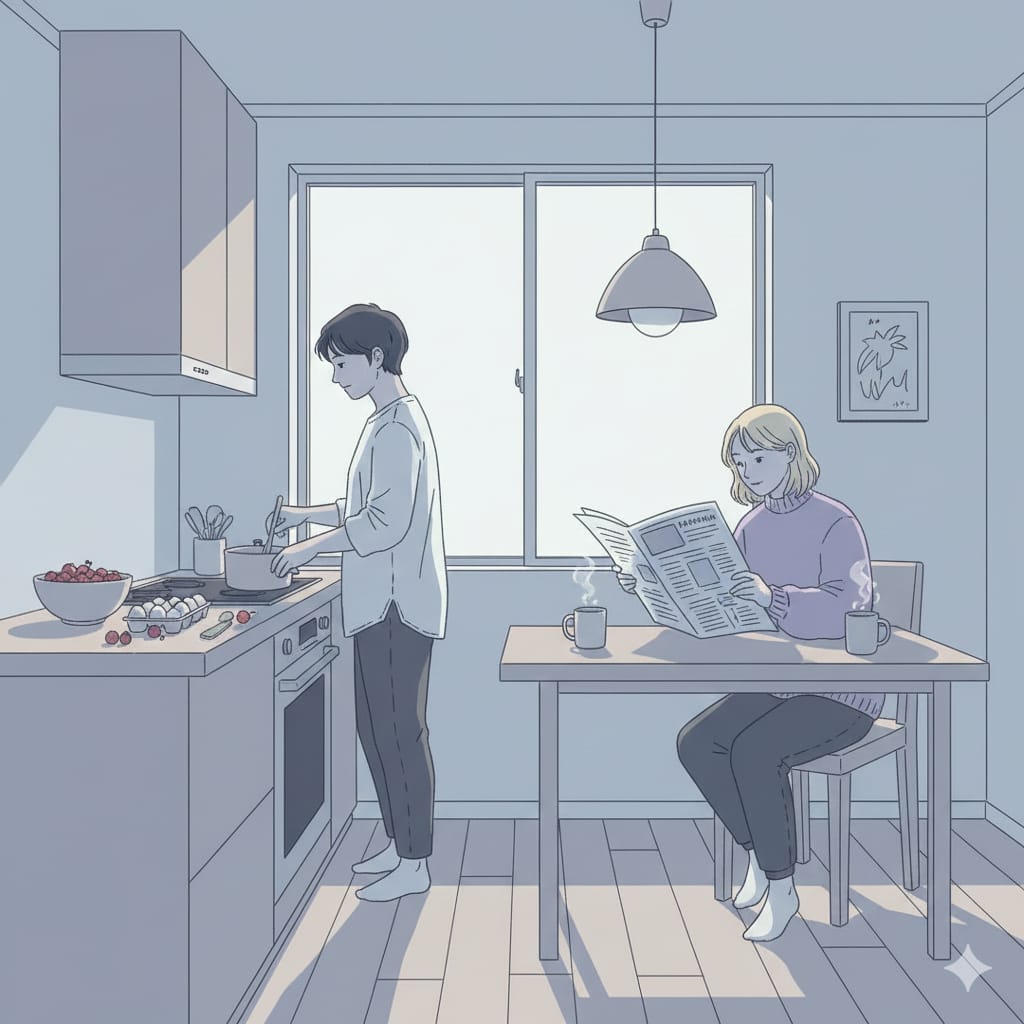
Ultimately, true representation goes far beyond making us visible to others; it affirms our normalcy and validates our everyday experiences. It highlights our fundamental right to live mundane lives filled with joy and happy endings. These portrayals prove that being straight is not the universal blueprint for what it means to be human. In fact, there is no single blueprint at all. Most importantly, true representation demonstrates that your sexuality should never be the primary or central lens through which people perceive and define you as an individual.


Leave a Reply